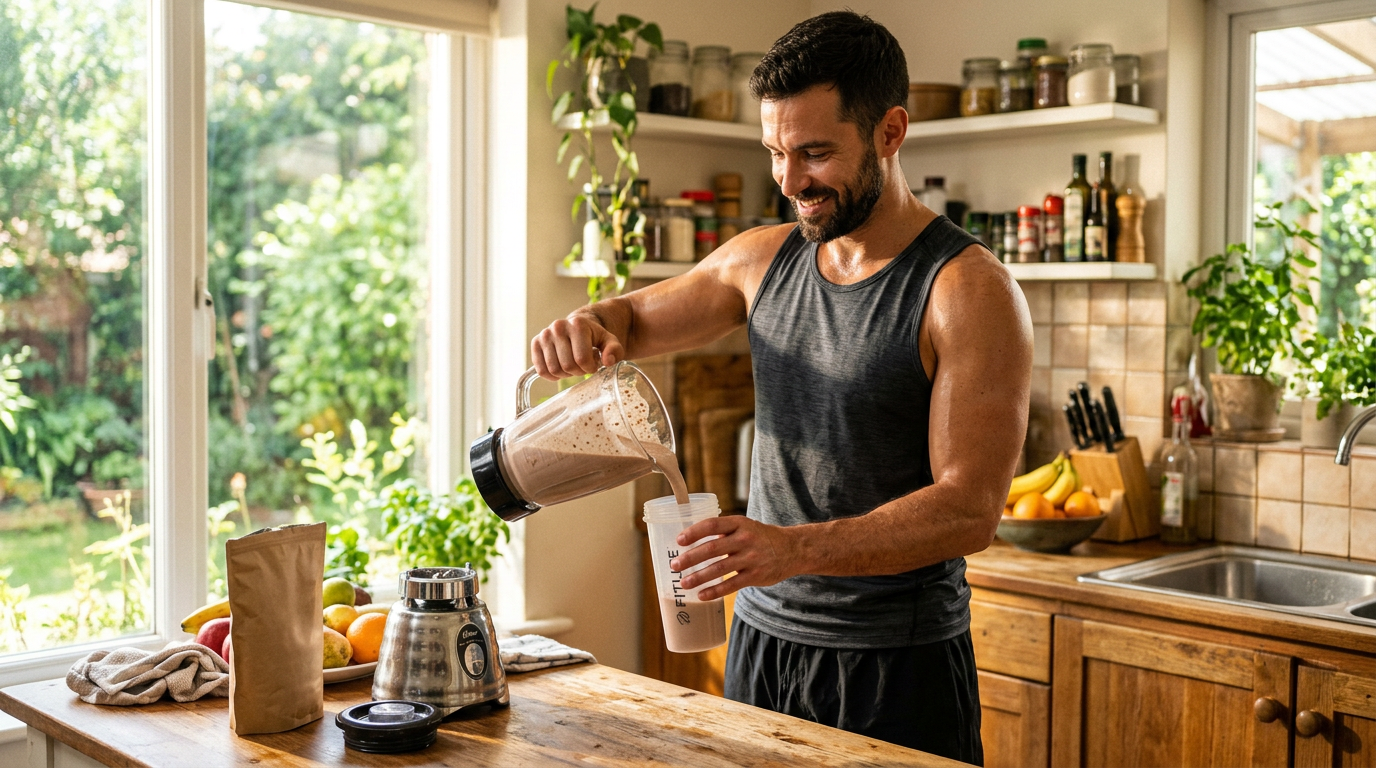
Meals for Gym Cutting: Best Foods and Easy Prep Ideas
Struggling with hunger during your cut? Discover the best meals for gym cutting, high-protein foods, and easy meal prep ideas to stay full.

ArcheBody Team
Meals for Gym Cutting: What to Eat to Get Shredded
Struggling with hunger during your cut? Discover the best meals for gym cutting, high-protein foods, and easy meal prep ideas to stay full.
Unlock Your Cutting Potential with AI
Tired of guessing your macros and feeling deprived? Let Arche Body's AI analyze your meals and create a personalized cutting plan to help you achieve your shredded physique faster and more sustainably.
Start Your AI-Powered CutThe Importance of High Satiety Foods
When you're aiming to get shredded, managing hunger is paramount. A cutting diet inherently involves a calorie deficit, which can often lead to feelings of deprivation and constant cravings. This is where the concept of satiety comes into play. Satiety refers to the feeling of fullness and satisfaction after eating. Foods that are high in satiety can significantly help you stick to your diet by keeping you feeling full for longer periods, reducing the urge to snack on less healthy options.
Prioritizing high-satiety foods is not just about comfort; it's a strategic move for successful weight loss. Studies have shown that incorporating more satiating foods into your diet can lead to a spontaneous reduction in overall calorie intake. For instance, a meta-analysis published in the Journal of Nutrition found that protein-rich meals significantly increased satiety and reduced subsequent food intake compared to carbohydrate or fat-rich meals. 1 This means that choosing the right foods can make a substantial difference in your ability to adhere to your calorie goals without feeling miserable.
Best Lean Proteins for a Cutting Diet
Protein is the undisputed king of macronutrients when it comes to cutting. It plays a crucial role in preserving muscle mass while you're in a calorie deficit, which is essential for maintaining a lean and muscular physique. Beyond muscle preservation, protein is also highly satiating, meaning it helps you feel fuller for longer, aiding in appetite control.
The general recommendation for individuals aiming for muscle gain or retention during a cut is to consume between 1.6 to 2.2 grams of protein per kilogram of body weight per day. For example, a person weighing 70kg would aim for approximately 112-154 grams of protein daily. This strategic intake ensures your body has the building blocks it needs for muscle repair and growth, even when calories are restricted.
Chicken breasts, white fish, and egg whites
These are excellent examples of lean protein sources that should form the cornerstone of your cutting diet. Chicken breast, especially when skinless, is incredibly lean and versatile. It's packed with high-quality protein and relatively low in fat and calories. White fish, such as tilapia, cod, and haddock, offer a similar profile – high protein, low fat, and a good source of essential nutrients.
Egg whites are another powerhouse of pure protein. While the yolk contains healthy fats and nutrients, for a strict cutting phase focused on maximizing protein intake while minimizing calories, egg whites are an ideal choice. They are easily digestible and can be prepared in countless ways. Remember, the quality of your protein sources directly impacts your body's ability to recover and rebuild muscle, so choosing lean options is key.
| Food Source | Protein (per 100g) | Calories (per 100g) | Fat (per 100g) |
|---|---|---|---|
| Chicken Breast | 31g | 165 kcal | 3.6g |
| Tilapia | 26g | 128 kcal | 3g |
| Egg Whites (liquid) | 11g | 52 kcal | 0.2g |
High-volume vegetables to keep you full
While protein is essential, you can't live on it alone. To maximize satiety and nutrient intake without adding significant calories, high-volume, low-calorie vegetables are your best friends. These foods are rich in fiber and water, both of which contribute to a feeling of fullness.
Think of leafy greens like spinach, kale, and romaine lettuce, as well as cruciferous vegetables such as broccoli, cauliflower, and Brussels sprouts. These are nutrient-dense, providing essential vitamins, minerals, and antioxidants that support overall health and recovery. Their high fiber content also aids in digestion and can help regulate blood sugar levels, preventing energy crashes that might lead to cravings.
Incorporating a generous portion of these vegetables into every meal can significantly boost the volume of your food without a substantial increase in calories. This "volume eating" strategy is a highly effective way to feel satisfied on a calorie-restricted diet. A study by the USDA highlighted that increasing vegetable intake is associated with lower body weight and a reduced risk of obesity. 2
Easy Meal Prep Ideas for Gym Cutting
Meal prepping is a game-changer for anyone serious about their fitness goals, especially during a cutting phase. It eliminates the daily decision-making stress, ensures you're consistently hitting your macro targets, and prevents impulsive, unhealthy food choices when hunger strikes. The key to successful meal prep for cutting is simplicity, convenience, and nutrient density.
Consider preparing large batches of your lean protein sources at the beginning of the week. Baked chicken breasts, grilled fish fillets, or hard-boiled eggs can be stored and easily incorporated into various meals. For your carbohydrate sources, opt for complex options like quinoa, brown rice, or sweet potatoes, which provide sustained energy. Portioning these out into individual containers makes grabbing a meal on the go effortless.
Don't forget your high-volume vegetables! Pre-chopping raw vegetables like bell peppers, cucumbers, and carrots can save time during the week. Steamed broccoli, roasted Brussels sprouts, or a large salad base can also be prepared in advance. Combining pre-portioned protein, carbs, and a generous serving of vegetables in each container creates balanced, satisfying meals that are ready to eat.
Let an AI Meal Planner Build Your Cutting Menu
Navigating the complexities of macronutrient ratios, calorie deficits, and food choices can be daunting. This is where artificial intelligence can revolutionize your approach to dieting. An AI nutrition assistant, like the one powering Arche Body, can take the guesswork out of your cutting plan, offering personalized guidance tailored to your specific needs and goals.
By analyzing your current diet, activity levels, and body composition, an AI can create a dynamic meal plan that optimizes for fat loss while preserving muscle mass. It can calculate the precise amount of protein, carbohydrates, and fats you need for each meal, ensuring you're always in the optimal metabolic state for shredding.
Furthermore, the visual analysis feature of AI nutrition apps allows you to simply snap a photo of your meal. The AI then breaks down the nutritional content, providing insights into calories, macros, and micronutrients. This data is logged into your personal history, allowing for consistent tracking and adjustments to your plan. This level of detailed insight and personalization is invaluable for staying on track and achieving your cutting objectives efficiently.
Optimize Your Cut with Smart Nutrition
Stop wasting time on generic diets. Arche Body's AI-powered platform analyzes your meals, tracks your progress, and crafts a personalized nutrition strategy to help you achieve your weight loss and muscle-building goals.
Discover Your AI Nutrition PlanConclusion: Flavorful Food, Fewer Calories
Achieving a shredded physique doesn't mean sacrificing flavor or enduring constant hunger. By strategically choosing high-satiety, lean protein sources and incorporating plenty of nutrient-dense, high-volume vegetables, you can create delicious meals that support your calorie deficit. Meal prepping simplifies the process, while advanced tools like AI nutrition assistants offer unparalleled personalization and tracking.
Remember, consistency is key. Focus on making sustainable dietary choices that you can maintain long-term. With the right approach, your cutting journey can be both effective and enjoyable, leading you to your desired physique without unnecessary struggle. Embrace the power of smart nutrition and enjoy the process of getting shredded.
Frequently Asked Questions (FAQ)
What are the best protein sources for a cutting diet?
The best protein sources are lean ones that are high in protein and low in fat and calories. Examples include chicken breast, turkey breast, white fish (like cod, tilapia, haddock), egg whites, and lean cuts of beef or pork.
How can I manage hunger while cutting calories?
Focus on high-satiety foods. These include lean proteins, high-fiber vegetables (like broccoli, spinach, kale), and foods rich in water content. Staying hydrated and eating slowly can also help.
Is it important to track my food intake during a cut?
Yes, tracking your food intake is crucial. It helps ensure you are in a consistent calorie deficit and meeting your protein targets, which are essential for fat loss and muscle preservation. Tools like AI nutrition apps can simplify this process.
How much protein do I need when cutting?
A common recommendation for cutting is to consume between 1.6 to 2.2 grams of protein per kilogram of body weight per day. This helps preserve muscle mass while losing fat.
Can I still eat carbs when cutting?
Yes, you can and should still include carbohydrates in your diet when cutting. Focus on complex carbohydrates like whole grains, sweet potatoes, and oats, which provide sustained energy and fiber. Portion control is key.
What is the role of vegetables in a cutting diet?
Vegetables are vital for a cutting diet. They are low in calories and high in volume, fiber, vitamins, and minerals. This helps you feel full, aids digestion, and provides essential micronutrients without significantly impacting your calorie intake.
Footnotes
-
Pesta, D. H., & McCormack, W. P. (2014). High-protein diets, satiety, and weight loss: a meta-analysis of the evidence. Journal of Nutrition, 144(12), 1871-1877. (rel="nofollow") ↩
-
Bowman, S. A., & Russell, M. (2014). Contribution of fruits and vegetables to nutrient intake in the US. USDA Agricultural Research Service. (rel="nofollow") ↩